Koos van der Lende
A life given to the land, the light and the Lord
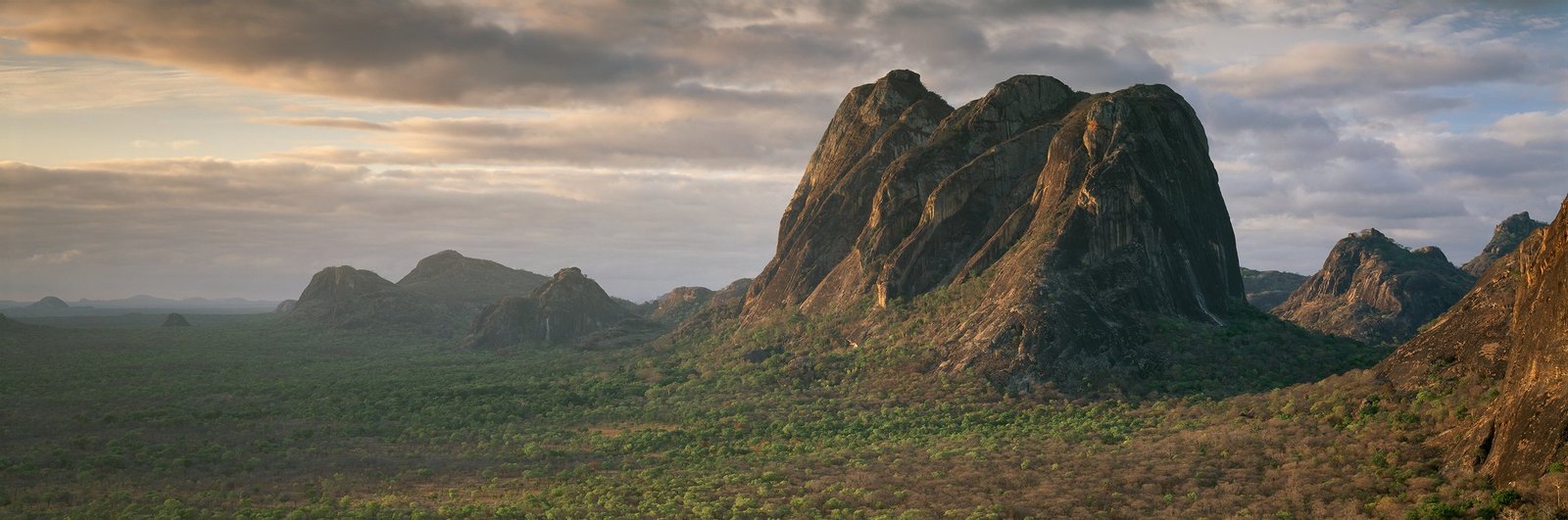
Ngorongé, Niassa, the morning after he knelt
My panoramic photography was purely for the Lord, so that I could give my utmost best. Even if I came home after two months with one good picture, I wanted quality, not quantity.
— Koos van der LendePretoria, The Hague and back
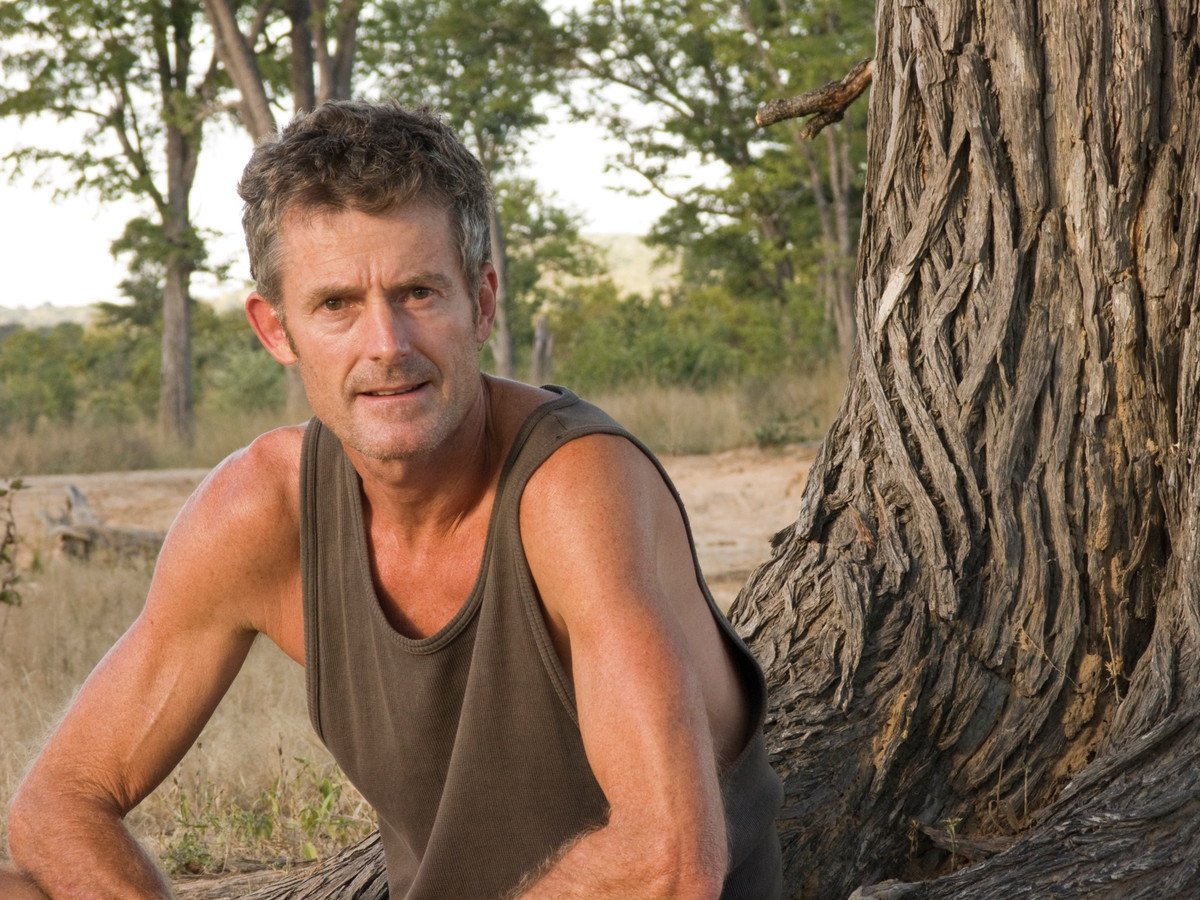
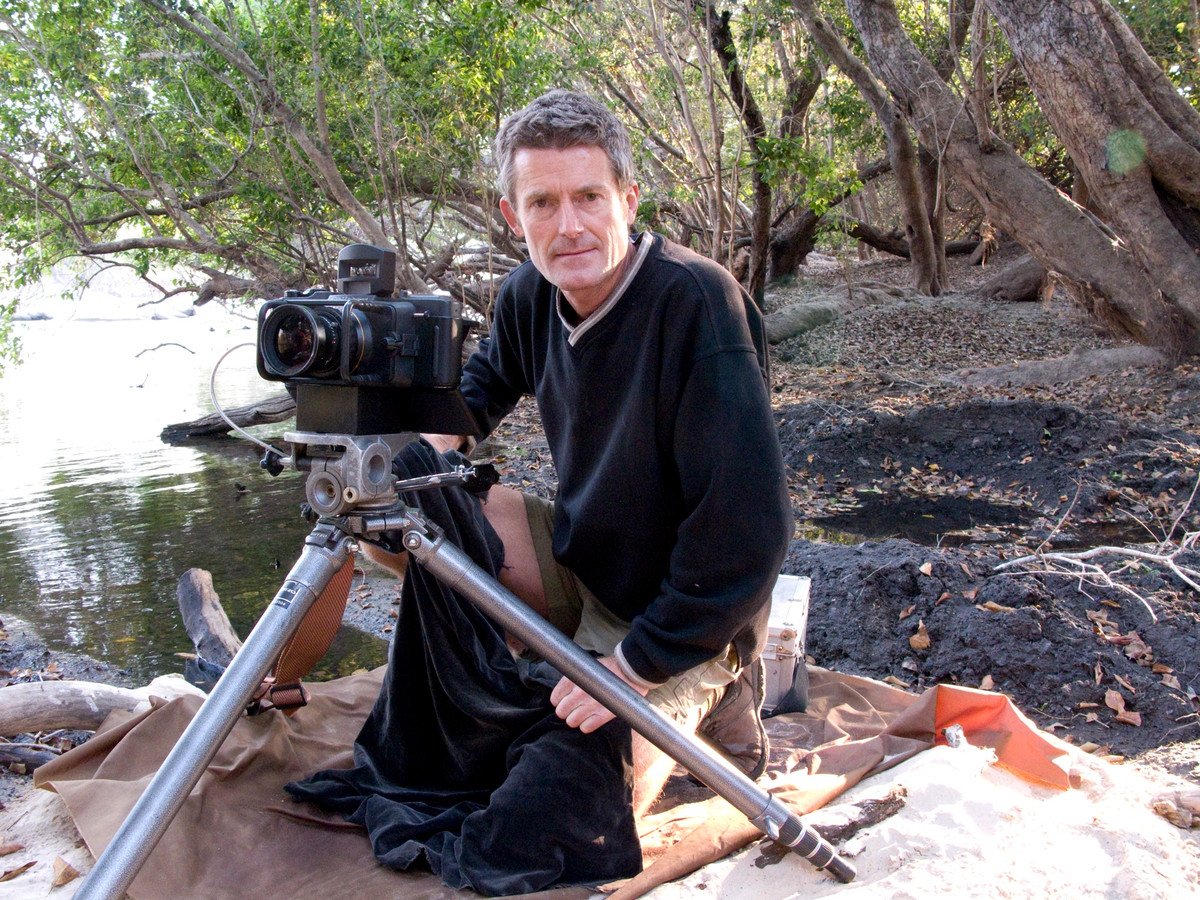
Koos in Chizarira, Zimbabwe.
Koos van der Lende was born in Pretoria in 1955. When he was sixteen his Dutch parents took the family back to the Netherlands, and there he trained at the School of Photography in The Hague.
At twenty one he came back to Africa on his own and travelled for ten months. It was on that journey that he decided to become a photographer. In 1983 he returned to South Africa for good, starting as an assistant in a commercial studio in Pretoria, and for the next twenty years he worked as a commercial photographer. Every holiday went to the Kalahari and to Namibia.
Then he flew to New York and bought a Fuji 6 × 17 cm panoramic camera, entirely manual, with no prism. The picture appears upside down on the ground glass, under a black cloth, as it has for a hundred years.
Not for money any more
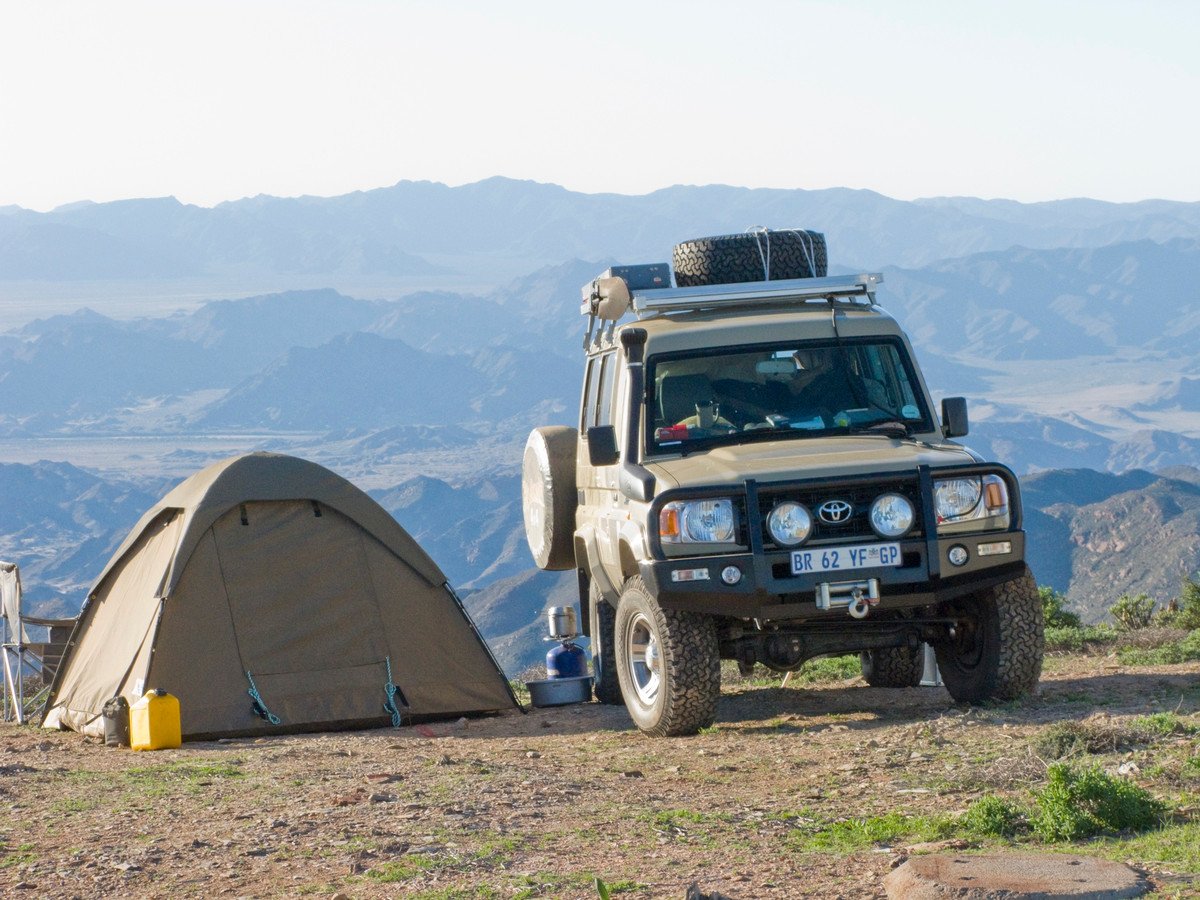
Camp on a mountain top in the Richtersveld.
In 2002 Koos made a decision that changed everything: he would no longer work for money. After twenty years of commercial deadlines, where everything had to be done quickly to save money, his panoramic work would be given to God, and it would be the very best he could make.
For the next eighteen years he worked full time in the wild places of Southern Africa: Namibia, Botswana, Zimbabwe, Zambia, Malawi, Angola, Mozambique and South Africa. He travelled alone for eight to ten weeks at a time, with food for two months, water for three or four weeks and some three hundred rolls of film, each roll holding only four pictures. There was no phone and no satellite link. If he was not back after eleven weeks, they were to come and look for him.
I was used to being alone, but never lonely. For me that was the special connection, with the landscape, and with God in the landscape.— Koos van der Lende
Lord, You call the shots
In his first years with the panoramic camera, Koos tried to force his own will on the land. He knew the picture he wanted and he chased it, and he grew frustrated, defeat after defeat. In the end he knelt down in the bush and gave it over.
I had to kneel before the Lord, submit to Him and say: Lord, You call the shots, not me. And the Lord said very clearly that I have to be ready. Whatever He gives me will be the best, more abundant and better than anything I could think of or dream of.— Koos van der Lende
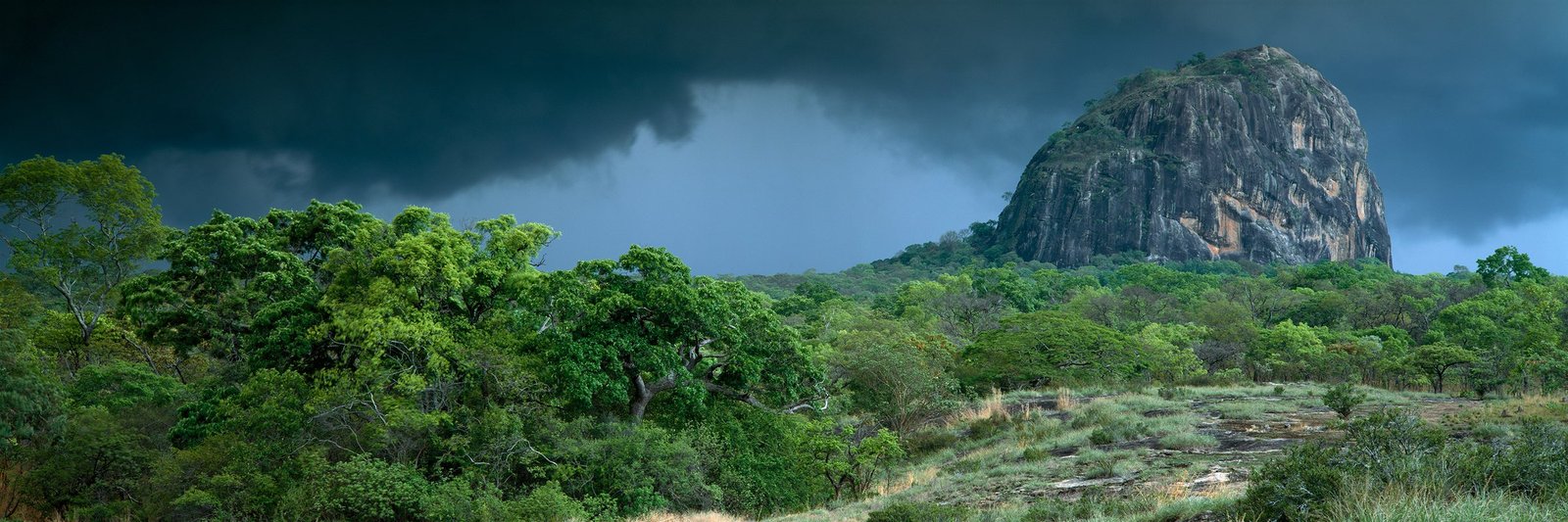
From then on his part was preparation and readiness. The rest, the cloud, the mist, the last light on a mountain, was a gift. In the Niassa a storm built for days while he worked, and he laughs that God must have said to the angels: please, just stop this man, he is wasting film now. The picture he made that day is Coming Storm.
Law and grace
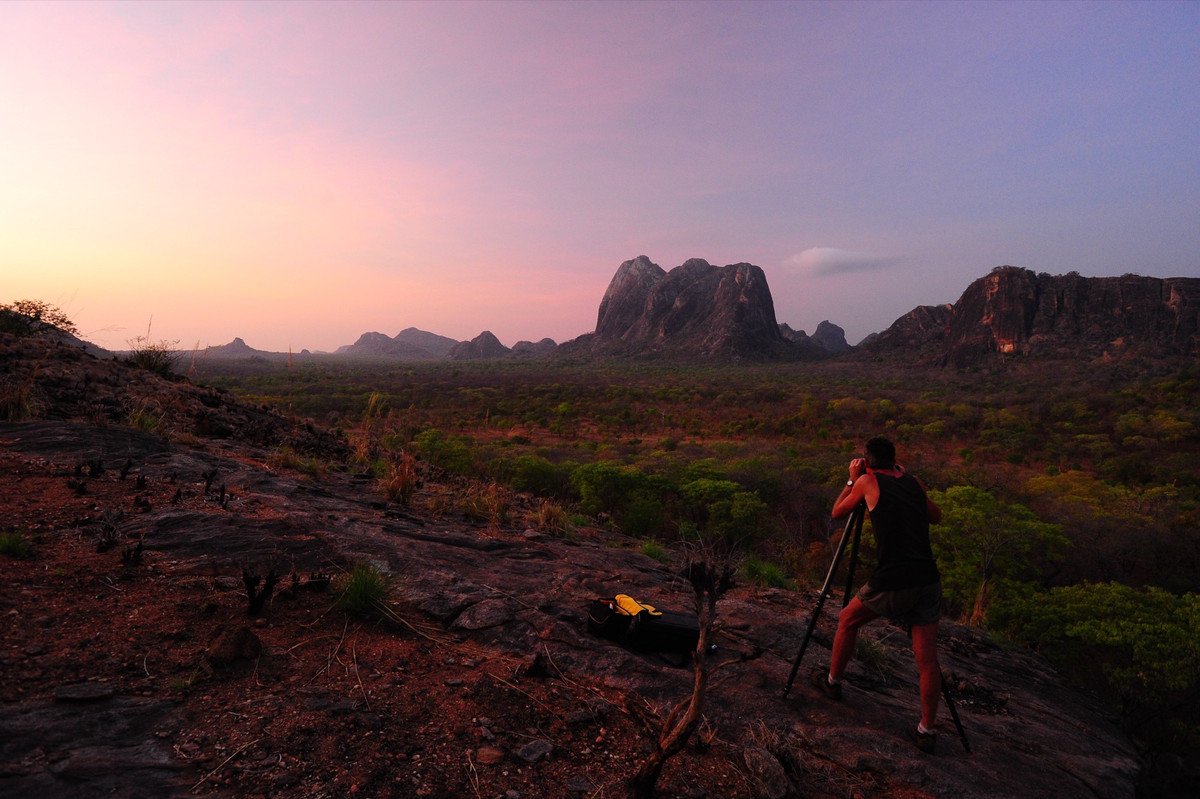
At the camera before sunrise.
Koos speaks of composition the way he speaks of faith. There are laws, the rules every photographer learns and must respect. But a panoramic frame is only six centimetres high, and some of those rules no longer fit. Knowing when to keep them and when to set them aside, he calls grace.
Under the black cloth the picture is small and upside down. He cannot see the detail, only the balance of the whole, and that is when he knows.
You can feel it immediately, and that, I think, is the grace: you can feel peace.— Koos van der Lende
Grace, he says, is also something to give yourself. A perfectionist all his life, he has learned not only to live by the law, but to have more grace for himself.
The artist in the bush
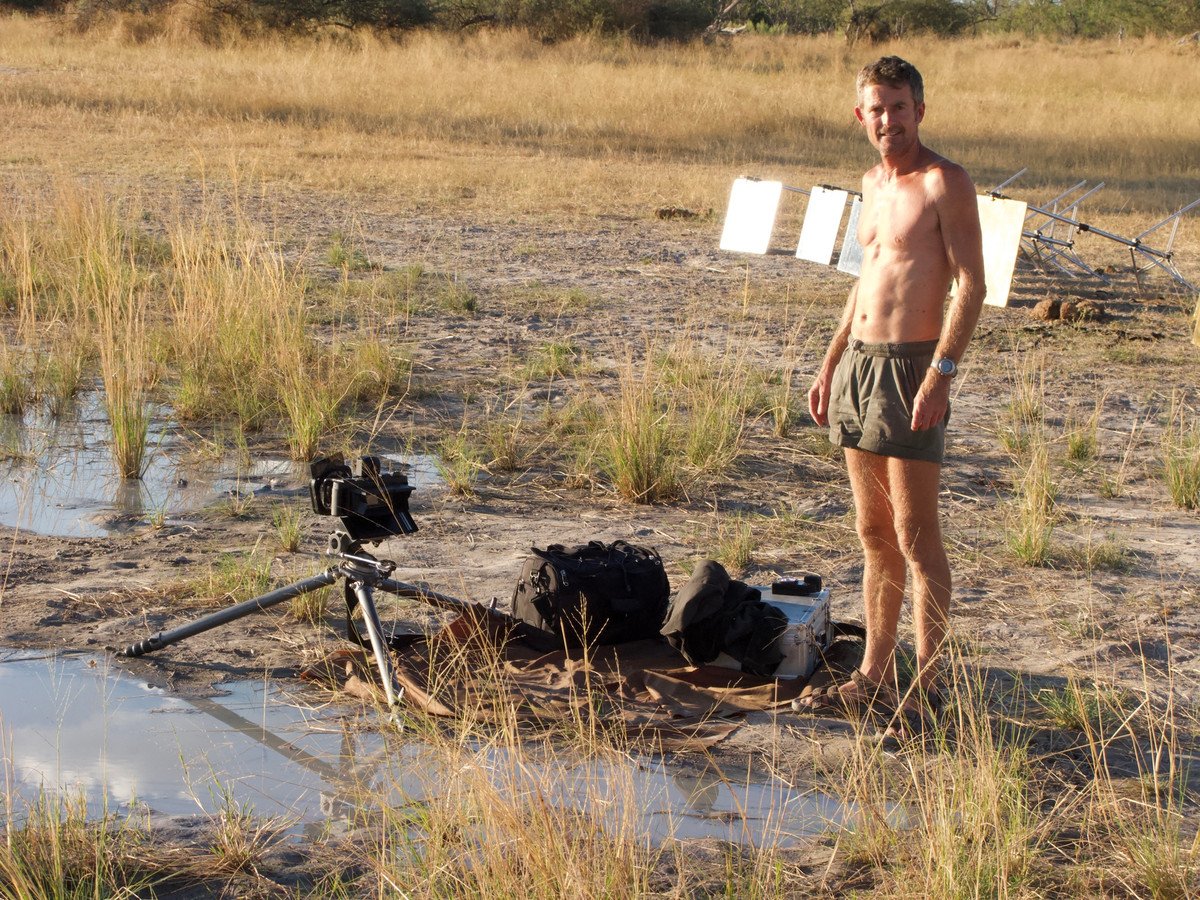
Reflector boards set out in a wetland.
Koos does not make many pictures of one place. He makes one. He walks the land with three small viewers that match his three lenses, marks a spot, walks away, and comes back hours later without looking, to see whether he arrives at the same place. A compass tells him where the sun will rise and set. Often he sets the camera up the day before, wrapped in plastic for the night, and sleeps beside it.
When the light comes he works fast: up to twelve reflector boards to carry the low sun into a tree or a plant, running from board to board as the angle changes. After sunset he paints trunks and rocks with a hand lamp during exposures of many minutes, sometimes walking through the picture dressed in black, invisible to the film. He leaves no fire and no footprints. And he waits, two pictures on a lucky day, sometimes twelve days for one.
I don't want a record of a landscape. It has to be art. The slide, the transparency, is my canvas.— Koos van der Lende
That is why nothing is altered afterwards. Every print in the De Lende Collection comes from the original slide, exactly as the film saw it.
The original transparencies
Every print in the De Lende Collection comes from a single original slide: one 6 × 17 cm transparency, exposed in the field and never altered. Each one is unique. There is no second original, and there never will be.
Selected original transparencies are now available to collectors. They are offered as an investment and negotiated one on one, privately, through Osner Gallery.
The film is my canvas, so it has to be perfect.— Koos van der Lende
If you are interested, email us and tell us which picture you have in mind. We will check with Koos whether its original transparency is available and come back to you personally.
Lions, elephants and a flat battery
Weeks alone in wild country bring their own stories. Koos has faced a lioness at close quarters and held his ground, remembering the Bible's word that when you have done everything, you stand. He has raised his hands to an elephant and turned it back in the name of the Lord.
Once, in the dry bed of the Ugab River in Namibia, his battery died far from anyone. He built a ramp of rocks, rolled the vehicle down it and the engine caught.
What a joy. I clapped my hands for the Lord for ten minutes. Thank you, Lord! I had no voice left.— Koos van der Lende
He tells these stories, and many more, in his conversations with Martin Osner. Watch the films.
A quiet reputation
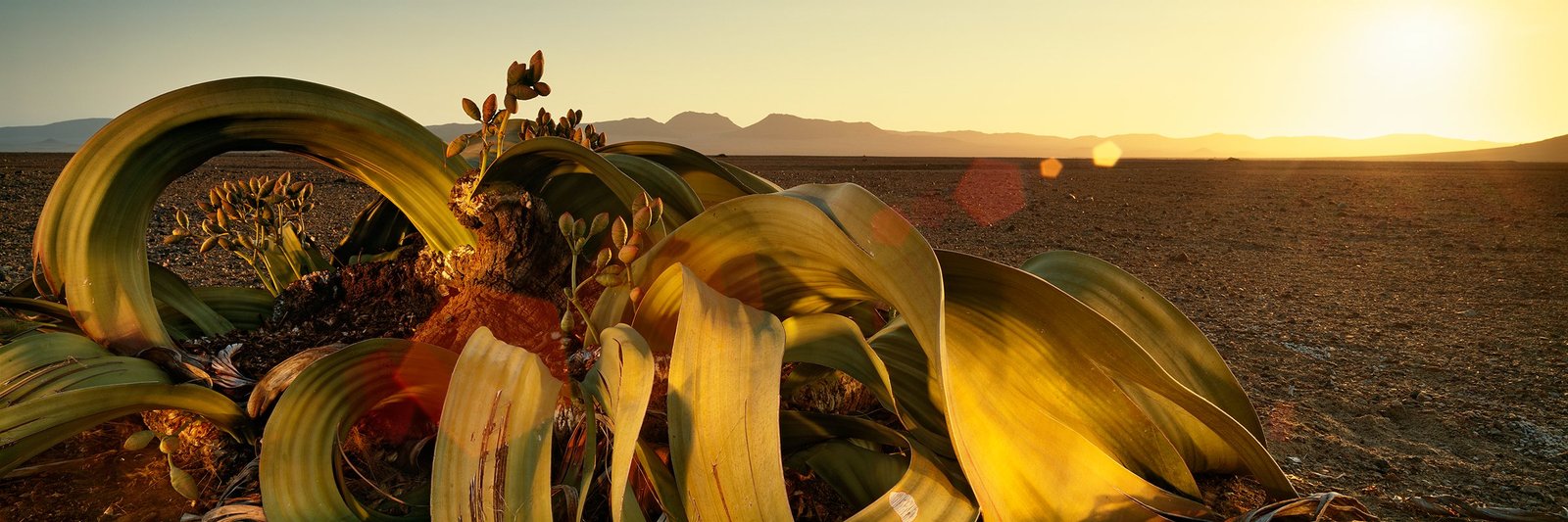
Koos's close study of a welwitschia in the Namib Naukluft was commended at the BBC Wildlife awards in London, where a judge said she had never seen the plant so well photographed or so creatively. He was commissioned to photograph every national park in South Africa in panoramic format for a series of postage stamps, and his pictures have been published in books and magazines.
For years Koos worked side by side with the Peace Parks Foundation, photographing the transfrontier parks that join Southern Africa's wild places across borders: Mapungubwe before it opened to the public, the Kgalagadi, the Great Limpopo, and the Richtersveld with the Fish River Canyon. It was a partnership that served both sides. The Foundation gained his panoramas, and Koos gained access to remote country few people are ever allowed to enter. Their work in reconnecting these landscapes deserves to be commended, and many of the pictures in this collection exist because of it.
With Martin Osner he founded the Fingerprint Collection, built on the belief that every artist leaves a signature on their work, as unique as a fingerprint. Today his prints and his book are represented by Osner Gallery in Hout Bay.
His own summary of it all is simpler.
I'm not attached to the prints. I'm attached to the time I had. That is what makes the picture: the experience of getting it.— Koos van der Lende
The book
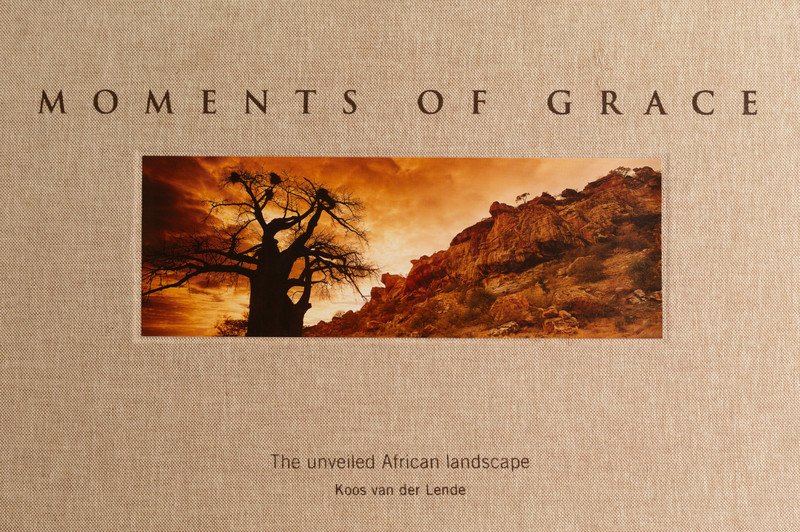
In 2016 Koos completed Moments of Grace, a linen cloth covered, hand assembled book in a handmade leather pouch, panoramic in shape and opening to a full metre wide, made only from film. In his own words it is a book that shows a God inspired passion for photography and His beautiful creation, and that aims to give the viewer a sense of peace and awe at the magnificence of our continent.
Amazing grace is to leave home and return after many weeks, unharmed, healthy and laden with images to share with the world, demonstrating God's greatness and faithfulness.— Koos van der Lende, Moments of Grace
Home in Namaqualand
After the book, Koos left Pretoria for a remote farm in Namaqualand, in the far north west of South Africa, close to the Richtersveld. It is one of the first landscapes he loved, a land of winter rain, Atlantic fog and, in a good year, flowers to the horizon. There is no signal on the farm. Every now and then he drives to the top of a hill to make contact with the world.
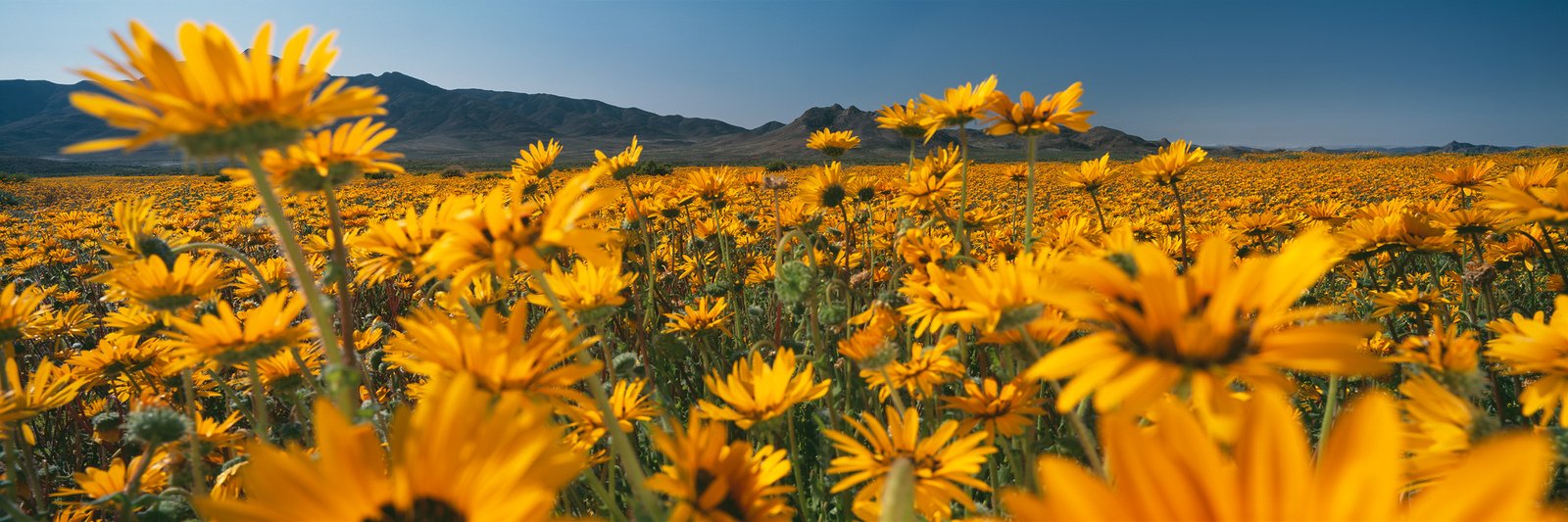
Explore the Collections
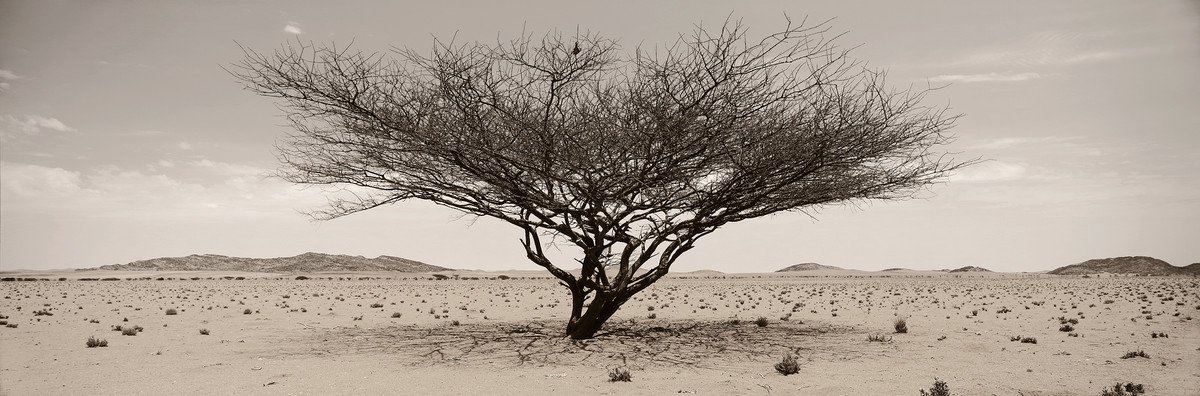 Classic CollectionThe pictures that made his name, from the Kunene and the Namib to the Wild Coast and Kafue.26 panoramas
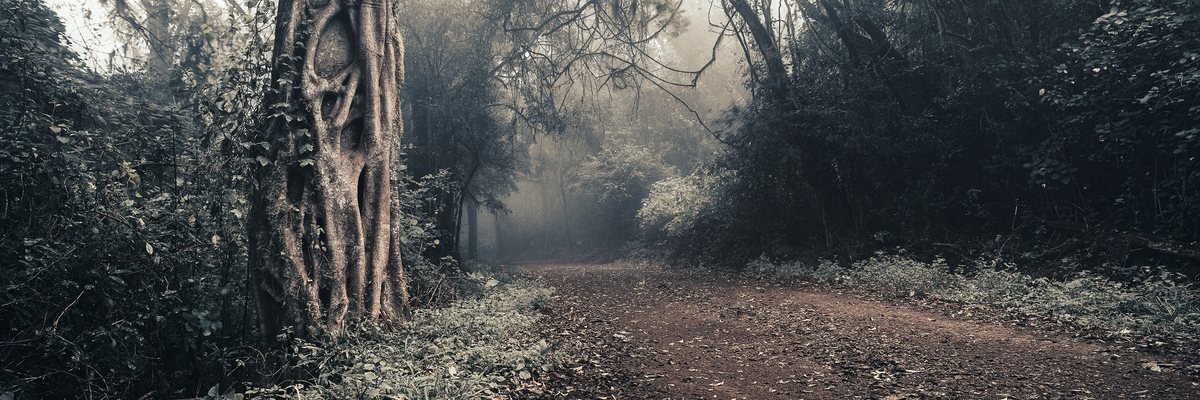 Sacred ForestsThe last indigenous forests of Southern Africa, in mist, rain and silence.8 panoramas
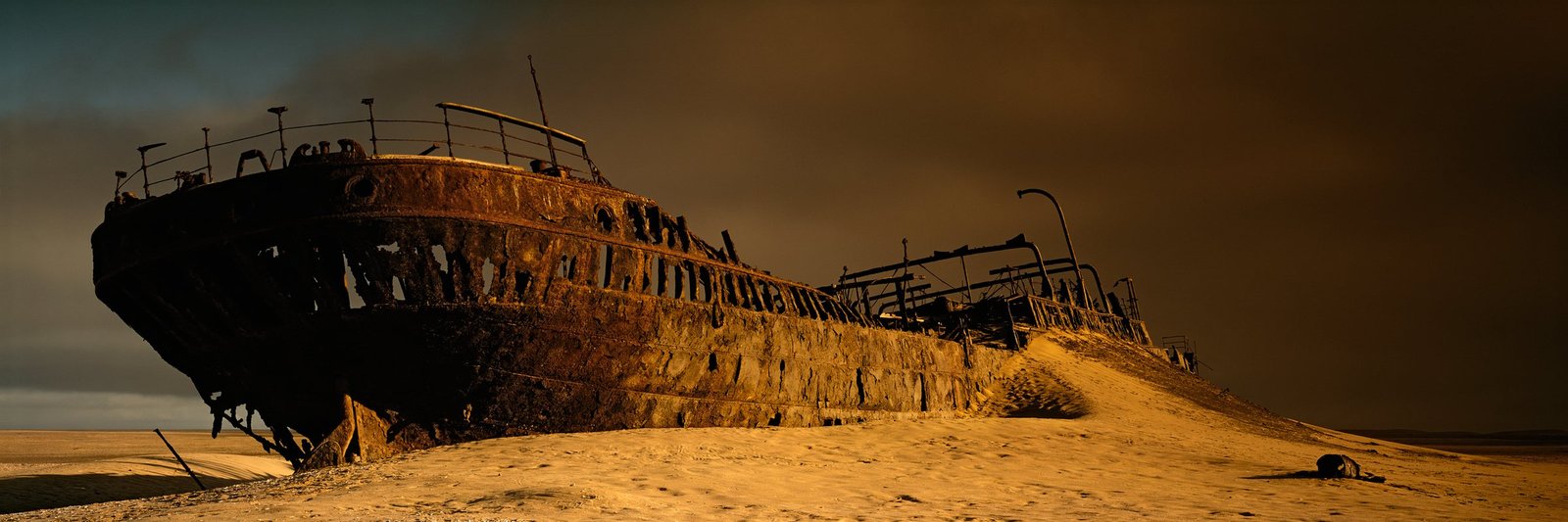
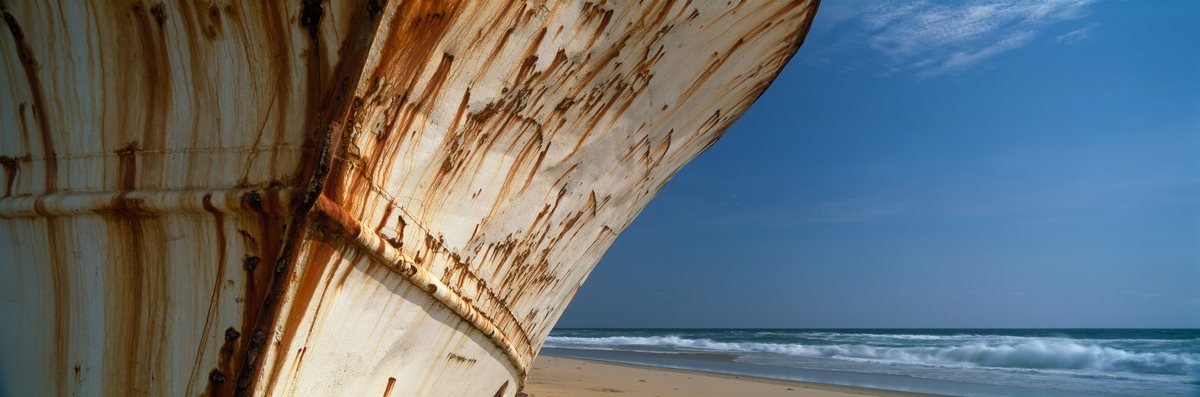 Evidence of MankindWhat people leave behind in the wild places: wrecks, ruins, a cross and an ox wagon.13 panoramas
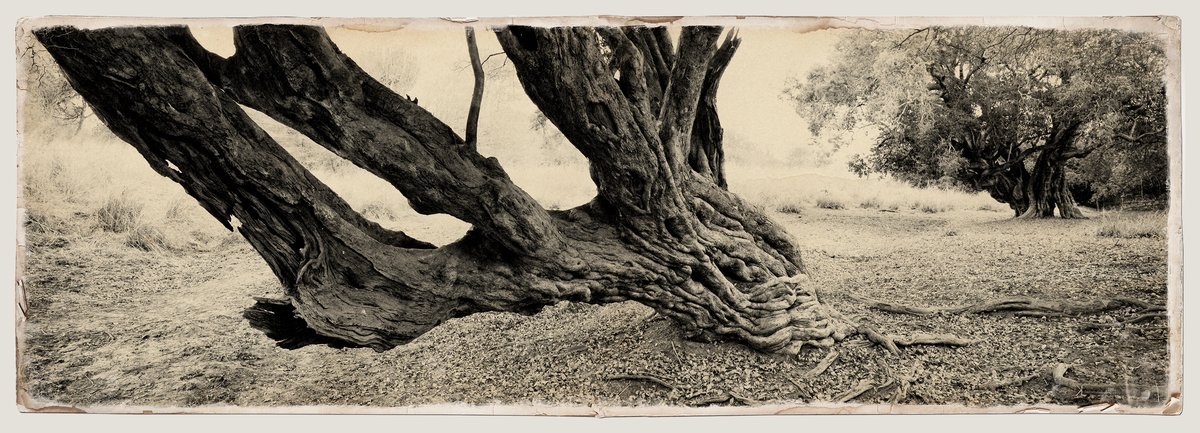 Water Pear TreeThe elders of the riverbank, aged like old prints, in the light of another century.7 panoramas
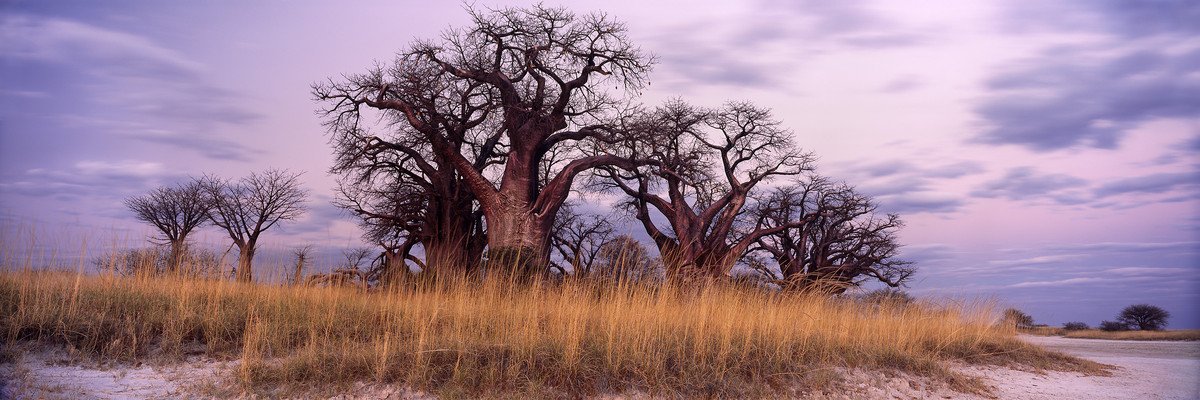 Baobab CollectionAfrica's upside down tree, from Venda and Mapungubwe to the pans of Botswana.9 panoramas
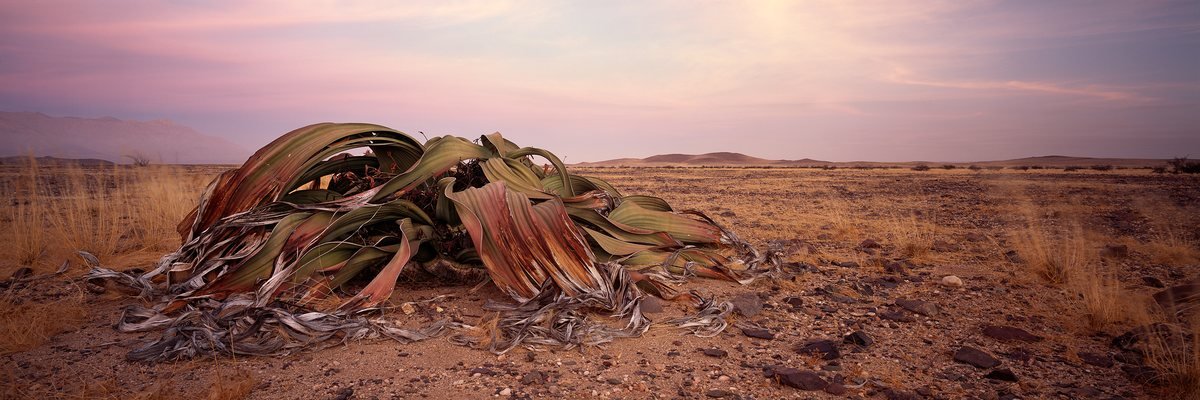 Solitary SurvivorThe welwitschia, a living fossil, alone on the gravel plains of the Namib.5 panoramas
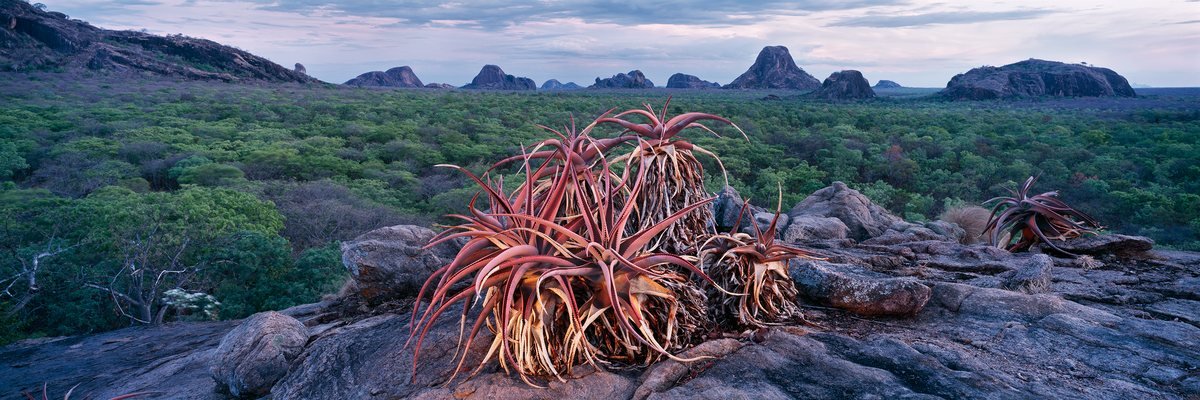 Latest ReleaseNew panoramas from the archive, from the Niassa to the Fish River Canyon.8 panoramas